I. INTRODUCTION
As businesses navigate the complexities of the modern workplace, AI technologies are emerging as pivotal tools that enhance decision-making, operational efficiency, and employee engagement. This evolution reflects a broader trend in which leaders are increasingly required to adapt their management styles to leverage AI capabilities while addressing employee concerns and fostering a collaborative culture.
Notably, the adoption of AI in strategic leadership is reshaping traditional frameworks by facilitating data-driven insights and personalized employee experiences. Research indicates that organizations employing AI-driven performance management systems can experience productivity increases of up to 40%, demonstrating a clear link between AI integration and enhanced employee outcomes. However, this shift is not without its challenges; ethical considerations surrounding privacy, bias, and the potential for dehumanization of the workplace have sparked significant debate among scholars and practitioners alike.
Moreover, AI's influence extends to talent management, where machine learning algorithms are utilized to identify skill gaps, personalize training, and promote employee retention. Companies such as IBM and Microsoft have illustrated the transformative potential of AI in enhancing employee performance, resulting in improved job satisfaction and engagement. As organizations continue to embrace AI technologies, leaders must navigate the dual demands of leveraging data-driven insights while maintaining a human-centric approach to leadership, ensuring that employees feel valued and empowered in their roles.
The integration of AI-enhanced strategic leadership practices holds significant implications for shaping employee performance. As leaders adapt to these innovations, they face the critical task of balancing the benefits of AI with the ethical and relational aspects of effective management. The ongoing discourse around AI's role in the workplace highlights the importance of transparency, emotional intelligence, and inclusive practices in fostering a positive organizational culture that drives success. As a result, this study explores how AI-assisted as well as traditional strategic leadership practices impact crucial organizational performance metrics, most of all with regard to the issue of the team efficiency, task interdependence, and the performance of the employees.
II. EMPLOYEE MOTIVATION AND EFFECTIVENESS
Multiple studies and organizational management papers and Psychology research demonstrate evidence for this motivational approach to work design. Employee motivation stands as a critical managerial element and testing management aspect because it determines how individuals motivate themselves concerning challenging work and their personal outlook. The essence of motivation stems from the power that drives individuals toward taking action to resolve issues or satisfy their necessities. The definition of motivation traces its foundation to an individual's natural prompting forces which they employ to reach their life objectives.
Leadership experience from corporate sectors when applied to structured activities strengthens workplace relationships between employees and produces successful work results. Leaders who develop loyalty and respect through strategic leadership create positive relationships that are free from hypocrisy because mutual understanding brings trust along with capability. Organizations can reduce resistance to change through rational progress explanations because such explanations reduce information misuse and eliminate ambiguity and create fair understandings between stakeholders including investors and employees.
The organization depends heavily on its workers for their ability to fulfill business requirements regarding limits and capacities and potential and creativity for achieving organizational goals. Workers who feel motivated toward their duties experience satisfaction with their work. Fulfillment functions as a result that exists inseparably from motivational processes. Strategic leaders make investments which allow team members to trust each other for unconditional backup. Absence of confidence appears as an observed factor which leads employees to prefer detailed instructions rather than having responsibility for critical choices. Employee engagement with the change process requires their active commitment to make the change decision possible.
III. THE APPLICATION OF STRATEGIC LEADERSHIP
Research indicates that Strategic leadership functions as an essential indicator for team results. Research examining Strategic leadership demonstrates positive effects on teams which includes improved team performance and team satisfaction as well as enhanced team functioning. The true leadership potential of individuals led to the adoption of Strategic leadership models based on transparent communication and encouraging autonomy and welcoming input from others. Sharing authority between leaders helps them build their own support network. The abdication of burdens leads to comfort and simplicity for individuals. Leaders make themselves available to provide guidance at any time. Through strategic leadership team members invest time and resources into each other because they trust their partners will protect them when necessary.
Even when leaders provide appropriate authority to employees they can still fail to utilize these given controls despite the best intentions. Multiple situations lead to this issue because employees require basic leadership direction particularly to understand their responsibilities. Strategic leadership often fails when employees lack adequate experience alongside expertise. Some workers exhibit low confidence levels which leads them to accept only detailed instructions while refusing to handle significant choices independently. Employees who need help with development can benefit from motivational incentives and coaching into critical thinking and initial task completion. Finally, when employees fully understand which team members cannot be coached the best solution is to reassign them to less senior roles. The creation of Strategic leadership culture requires employers to measure their managers' capacity to achieve results through effective delegation and collaboration.
Strategic leadership traits naturally emerge differently in various people yet research lacks a standard method for ability measurement. Leaders possess specific behavioral assessment techniques despite their absence in other management positions. The discovery of genuine leader potential led to implementing Strategic leadership models founded upon transparency alongside organizational freedom and open-minded acceptance of team proposals. The hypotheses are as follows:
- H1: There is a positive relationship between Strategic leadership attitude and team efficiency
- H2: There is a positive relationship between Attitude towards Strategic leadership and team's effectiveness, Initiated Task Interdependence.
- H3: The AI-enhanced strategic leadership practices significantly influence employee performance.
IV. DATA COLLECTION
This study employed a quantitative research design, relying primarily on primary data collected via a structured questionnaire. While prior literature provided a theoretical foundation (secondary research), the analysis is based on empirical evidence gathered from the organization’s workforce. The questionnaire design followed best practices, incorporating a pilot test with 10 employees to assess clarity and reliability. Feedback from the pilot was used to refine item wording and scale formats. The final survey contained 20 Likert-scale items divided into thematic areas: leadership behavior, team collaboration, and performance outcomes.
The survey was distributed electronically via Google Forms, and responses were automatically logged to ensure integrity. Participants were informed about the purpose of the study, and informed consent was obtained before data collection. The research adhered to ethical standards, ensuring anonymity and voluntary participation.
The study was conducted in a mid-sized private organization operating in Abu Dhabi, UAE, focused on professional services. A total of 150 questionnaires were distributed among employees using a simple random sampling technique, and 133 valid responses were received (response rate: 88.6%). The inclusion criteria required participants to be full-time employees with at least six months of tenure. Respondent demographics included gender, education level, and department, although only gender and education data were analyzed in this paper.
V. DATA ANALYSIS AND RESULTS
The collected survey data underwent statistical analysis with basic tools after question distribution to the participants. The study reveals the connections that exist between all measured variables.
Figure 1: Gender distribution of participants.
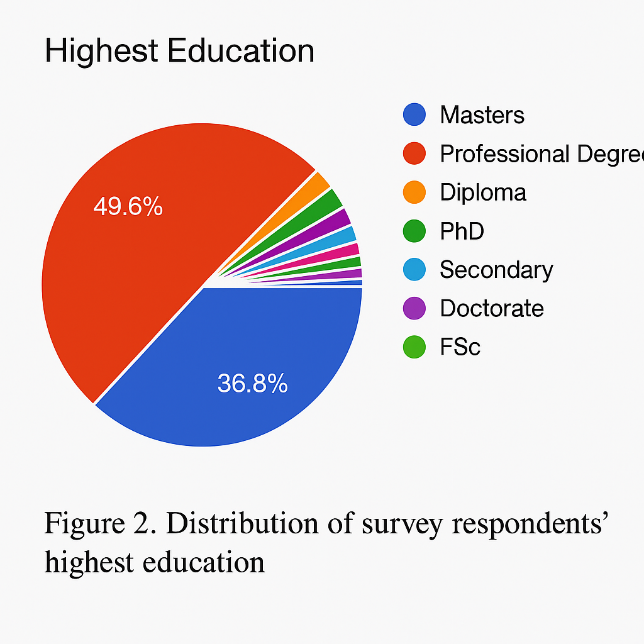 Figure 2: Educational qualification of participants.
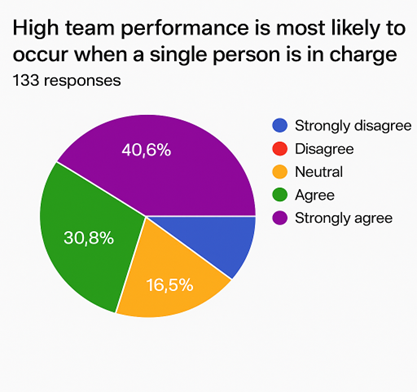
When participants responded to the questionnaire it was organized into various sections. Four targeted questions in this first section evaluated team performance metrics.
Figure 3: Team performance with solo leader.
High team performance will likely happen when one person maintains complete command of the situation according to 40 percent of respondents. The data suggests workers acknowledged the value of building teams along with strong performance results.
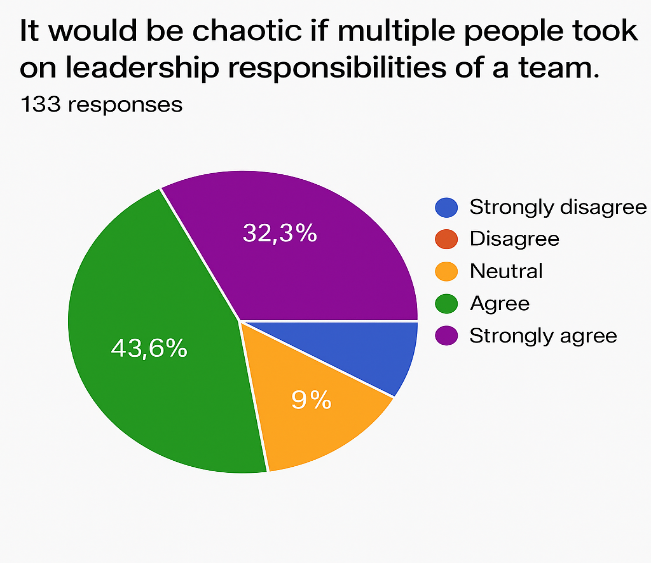
Figure 4: Team performance with multiple leadership.
The survey results showed divergence on whether a single leader would suffice with approximately forty percent agreeing and thirty percent strongly agreeing while forty percent disagreed with additional leaders creating disorder. The responses contradict strategic leadership principles along with stories because they reveal different findings.
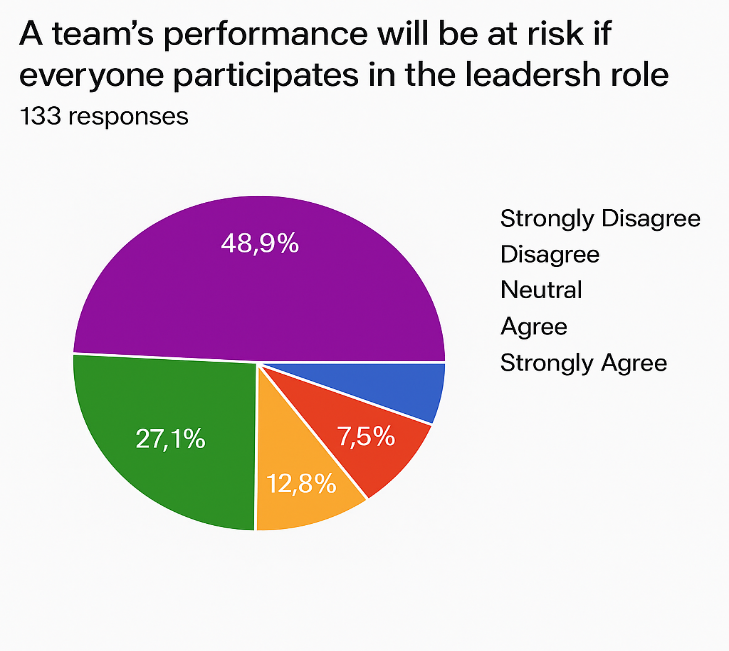
Figure 5: Team performance when everyone participates in the Strategic levels.
The following question explored the same territory as its preceding one. Nearly half of participants strongly support the view that team performance becomes compromised when everyone takes the leadership position indicating Strategic leadership has merit yet remains unacceptable to numerous staff members. The survey results show that 10% of respondents challenged the statement's validity. While members of the team lack authority to lead others directly they still have opportunities to lead their peers. Task interdependencies under Strategic leadership directly affect how teams perform.
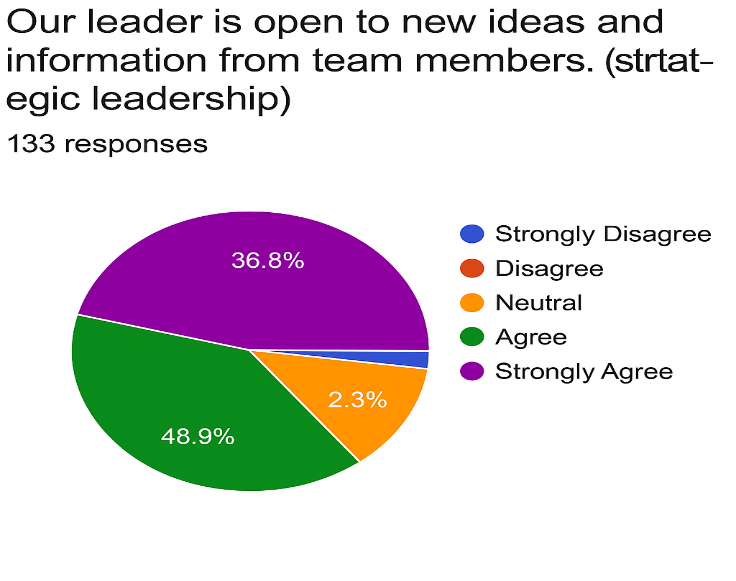
Over 80% of respondents affirm the team leader accepts vital input from fellow members. This depicts one of the great qualities of strategic leadership: being innovative. According to previous research about Strategic leadership spaces employees receive positive welcome to introduce their new concepts and gather information. The resulting autonomous environment leads to elevated team morale and better performance outcomes.
Figure 6: Leader is open to new ideas.
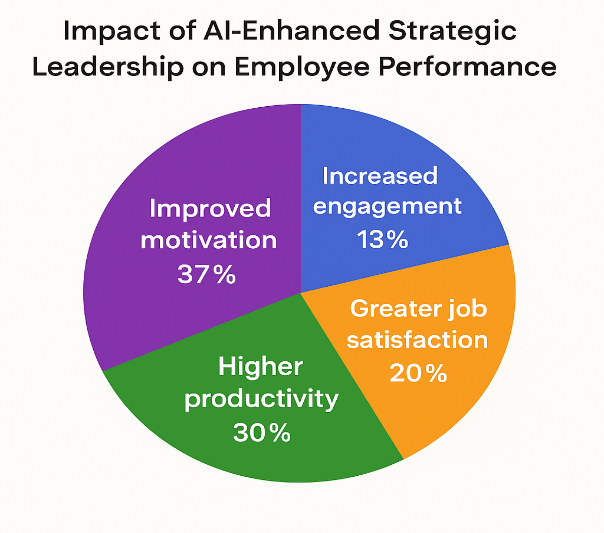
The integration of AI-enhanced strategic leadership practices significantly influences employee performance across various dimensions. Organizations that effectively utilize AI tools experience improvements in employee motivation, engagement, and overall job satisfaction, which are crucial for driving high performance in the workplace. Research indicates that companies leveraging AI-driven solutions can see productivity increases of up to 40% in certain functions, enabling employees to accomplish more in less time, thereby fostering business growth and profitability.
VI. DISCUSSION AND CONCLUSION
Kamery distinguishes two abrogating issues in estimating employee performance: Employee Performance and employee efficiency. For them Employee Performance refers to the extent which employees meet their predefined targets and goals. An employee proves effective when he or she reaches their established targets and objectives. This questionnaire-based study has proven the analysis to be valid. Efficiency in workplace performance stems from an employee successfully reaching their goals through minimal resource expenditure. Wang showed that effectiveness and efficiency measure how well people contribute to organizational goal fulfillment.
The current study contains specific restrictions in its approach. The following limitations to the current research study can be found: This organizational leadership model maintains a singular connection to one enterprise. The sample size is limited. The participants who answered the questionnaire included employees from the organization. The participants could provide answers that show their personal biases. Some disparities in observer understanding of survey questions and how respondents answered them likely altered the study's outcome. Personal beliefs within qualitative data present possible response influences.
Every participant took the survey after they read both the study objectives and approval conditions. This academic research study exists to serve educational goals and understands the business world. Research actions have shown practical value since leadership combined with motivation along with Employee Performance level through team interdependence creates organizational success within an actual business environment. Employers have the responsibility to measure their managers' capacities to achieve results through effective delegation and collaborative practices when establishing Strategic leadership culture.
Employers must evaluate their managers' capability to achieve results through proper delegation and collaboration while developing Strategic leadership culture. Employees exhibit different levels of natural inclinations toward Strategic leadership traits despite the lack of a scientific method for ability evaluation. Leadership assessment methods exist despite that fact. The organizations possess employee selection and retention reports provided by Omni. These tools can help employers to determine the ability of a team that they can lead collaboratively and possess.
The integration of Artificial Intelligence (AI) into strategic leadership practices presents a series of complex challenges and ethical considerations that organizations must navigate to ensure successful outcomes. One of the primary concerns is maintaining transparency in AI decision-making processes. Leaders are tasked with ensuring that the algorithms driving AI systems are understandable to stakeholders, fostering an environment of trust and accountability within the organization.
Moreover, there is a critical need to balance AI capabilities with human intuition and emotional intelligence. While AI can significantly enhance decision-making by providing data-driven insights, it cannot replace the empathy, creativity, and moral judgment that are fundamental to effective leadership. As organizations continue to leverage AI tools, leaders must emphasize human-centric leadership principles to maintain an authentic connection with their teams.
In addition, the ethical use of AI in monitoring employee performance raises significant concerns regarding privacy and consent. Research indicates that a notable percentage of employees express discomfort with monitoring practices, yet they recognize the necessity of some oversight for productivity. Organizations must implement robust data protection measures and prioritize informed consent to mitigate feelings of alienation and resistance among employees. By engaging employees in the AI implementation process and ensuring transparency, organizations can foster a cooperative culture that enhances both trust and performance.
Finally, organizations must be mindful of the potential for AI to inadvertently reinforce existing biases within decision-making frameworks. As AI systems learn from historical data, there is a risk that they may perpetuate biases present in the input data, leading to inequitable outcomes. Leaders should actively seek to understand and address these biases to create a more inclusive and fair workplace.
REFERENCES
[1] Asfaw, A.M., Argaw, M.D. and Bayissa, L., (2015). The impact of training and development on employee performance and effectiveness: A case study of District Five Administration Office, Bole Sub-City, Addis Ababa, Ethiopia. Journal of Human Resource and Sustainability Studies, 3(04), p.188.
[2] Barg, S., Perez, F.M., Ni, N., do Vale Pereira, P., Maher, R.C., Garcia-Tunon, E., Eslava, S., Agnoli, S., Mattevi, C. and Saiz, E., (2014). Mesoscale assembly of chemically modified graphene into complex cellular networks. Nature communications, 5, p.4328.
[3] Carson, J. B., Tesluk, P. E., & Marrone, J. A. (2007). Strategic leadership in teams: An investigation of antecedent conditions and performance. Academy of Management Journal, 50, 1217-1234.
[4] Ensley, M. D., Hmieleski, K. M., & Pearce, C. L. (2006). The importance of vertical and Strategic leadership within new venture top management teams: Implications for the performance of startups. The leadership quarterly, 17(3), 217-231.
[5] Gilley, B., (2009). The right to rule how states win and lose legitimacy. Columbia University Press.
[6] Heenan, D. A., & Bennis, W. B. (1999) Co-leaders: The Power of Great Partnerships. New York: Wiley.
[7] Hoch, J.E., Bommer, W.H., Dulebohn, J.H. and Wu, D., (2018). Do ethical, authentic, and servant leadership explain variance above and beyond transformational leadership? A meta-analysis. Journal of Management, 44(2), 501-529.
[8] Hussain, S.T., Lei, S., Akram, T., Haider, M.J., Hussain, S.H. and Ali, M., (2018). Kurt Lewin's change model: A critical review of the role of leadership and employee involvement in organizational change. Journal of Innovation & Knowledge, 3(3), 123-127.
[9] Kamery, R.H., (2004). Employee motivation as it relates to effectiveness, efficiency, productivity, and performance. In Proceedings of the Academy of Legal, Ethical and Regulatory Issues 8(2), 139-144.
[10] Mintzberg, H., (1983). Power in and around organizations. Prentice Hall.
[11] Martin, B., Breunig, M., Wagstaff, M. and Goldenberg, M., (2017). Outdoor leadership. Human Kinetics.
[12] Northouse, P.G., (2018). Leadership: Theory and practice. Sage publications.
[13] Osabiya, B.J., (2015). The effect of employees’ motivation on organizational performance. Journal of public administration and policy research, 7(4), 62-75.
[14] Pearce, C. L. (2004). The future of leadership: Combining vertical and Strategic leadership to transform knowledge work. Academy of Management Executive, 18, 47-57.
[15] Pearce, C. L. (2007). The future of leadership development: The importance of identity, multi-level approaches, self-leadership, physical fitness, shared leadership, networking, creativity, emotions, spirituality and on-boarding processes. Human Resource Management Review, 17(4), 355-359.
[16] Pearce, C. L., & Sims, H. P. (2002). Vertical versus Strategic leadership as predictors of the effectiveness of change management teams: An examination of aversive, directive, transactional, transformational, and empowering leader behaviors. Group Dynamics: Theory, Research, and Practice, 6, 172-197.
[17] Robbins, S.P., Judge, T.A. and Millett, B., (2015). OB: the essentials. Pearson Higher Education AU.
[18] Scura, G. and Davidoff, F., (1981). Case-related use of the medical literature: clinical librarian services for improving patient care. Jama, 245(1), pp.50-52.
[19] Sally, D., (2002). Co-leadership: Lessons from republican Rome. California Management Review, 44(4), pp.84-99.
[20] Wang, M., Guo, T., Ni, Y., Shang, S. and Tang, Z., (2019). The effect of spiritual leadership on Employee Performance: An intrinsic motivation perspective. Frontiers in psychology, 9, 2627.
[21] Yukl, G.A. and Becker, W.S., (2006). Effective empowerment in organizations. Organization Management Journal, 3(3), 210-231.